
In a dramatic shift that underscores how prediction markets are finally entering the financial mainstream, Polymarket and Kalshi, two of the most prominent platforms in this space, have unveiled a series of developments that signal not just strong growth but also increasing regulatory and institutional legitimacy.
Kalshi’s Meteoric Rise and Mainstream Validation
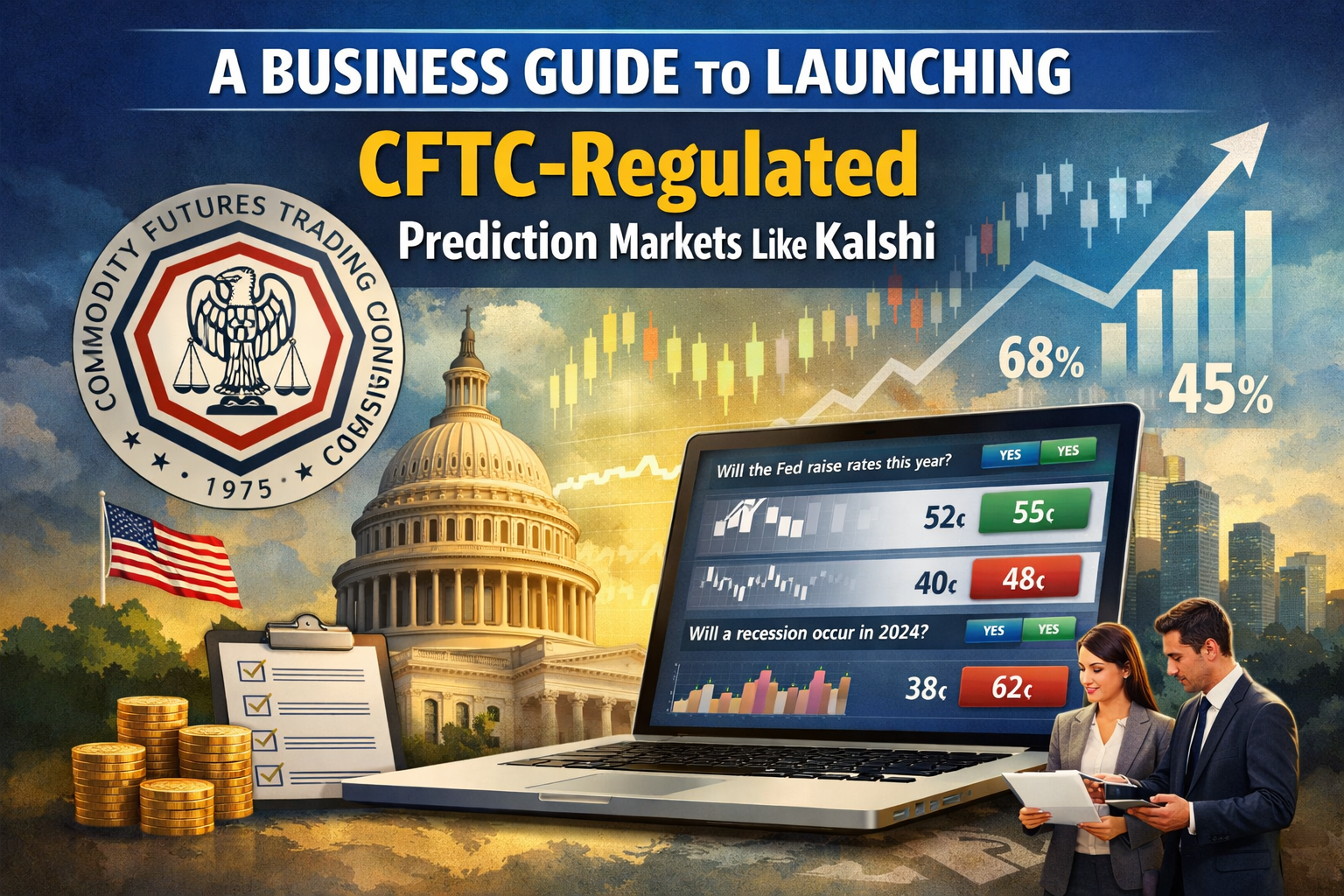
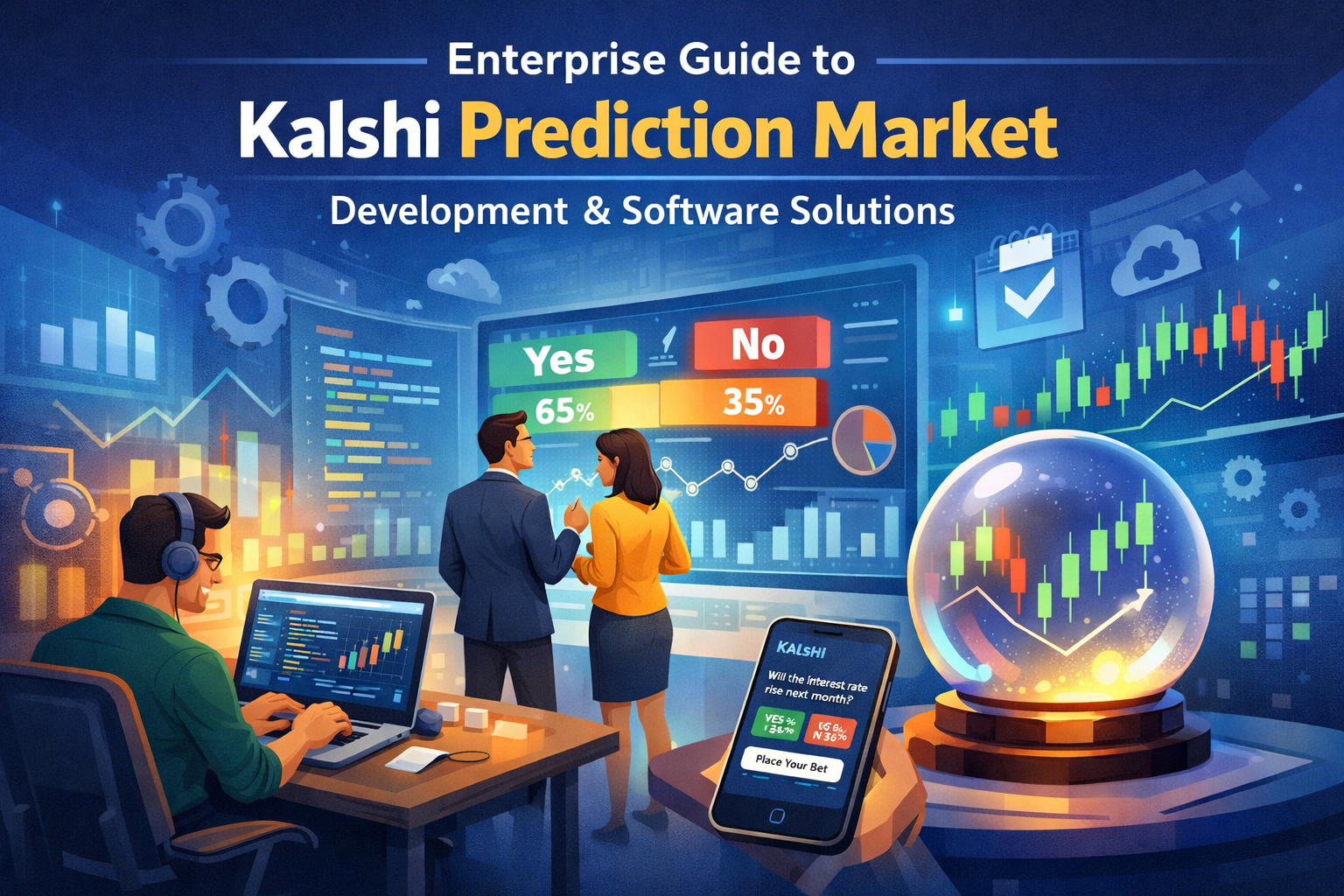
Kalshi, a fully CFTC-regulated exchange, has quickly become a cornerstone of the regulated prediction market ecosystem in the U.S. Founded in 2018, the company now offers binary “yes/no” event contracts on a wide range of real-world matters — from macroeconomic data and geopolitical events to sports and weather.
Its regulatory credentials have paid off in spades. Recent data shows Kalshi outpacing Polymarket in weekly trading volume, with more than $500 million in trades and average open interest around $189 million, according to blockchain analytics.
In another major vote of confidence, Kalshi raised $1 billion in a recent financing round, valuing the business at an astonishing $11 billion — signalling that investors see prediction markets as a foundational new class of financial asset.
But Kalshi’s influence doesn’t end with capital. Its integration into Google Finance represents a watershed moment: for the first time, data from a prediction market platform is being displayed alongside traditional financial instruments like equities and bonds. This lets users ask natural-language questions such as “What’s the probability of a rate cut in 2025?” and get real-time market-based probabilities — bridging forecasting, crowd wisdom, and financial markets in a way that was theoretical only a few years ago.
Notably, Elon Musk’s AI chatbot Grok, developed by xAI, has also been integrated into Kalshi. Through this partnership, Grok summarizes market movements, helping users interpret shifts in event probabilities.
Polymarket’s Strategic Return to Regulated Markets
On the other side of the ring is Polymarket, a crypto-native prediction market platform that made its name by allowing traders to bet on political, economic, and cultural events using blockchain-based contracts.
Polymarket had previously limited access for U.S. users, but that’s changing. The company acquired QCEX, a CFTC-licensed derivatives exchange and clearinghouse, for $112 million, paving the way for a regulated U.S. relaunch. The move gives Polymarket the same license Kalshi enjoys — including the ability to list new contracts via a self-certification mechanism, subject to CFTC review.
This return has broad implications for the custom prediction platform space. By joining the regulated ranks, Polymarket is effectively legitimizing on-chain solutions and sending a signal that custom prediction software development can maintain decentralization while satisfying compliance frameworks.
Why These Developments Matter
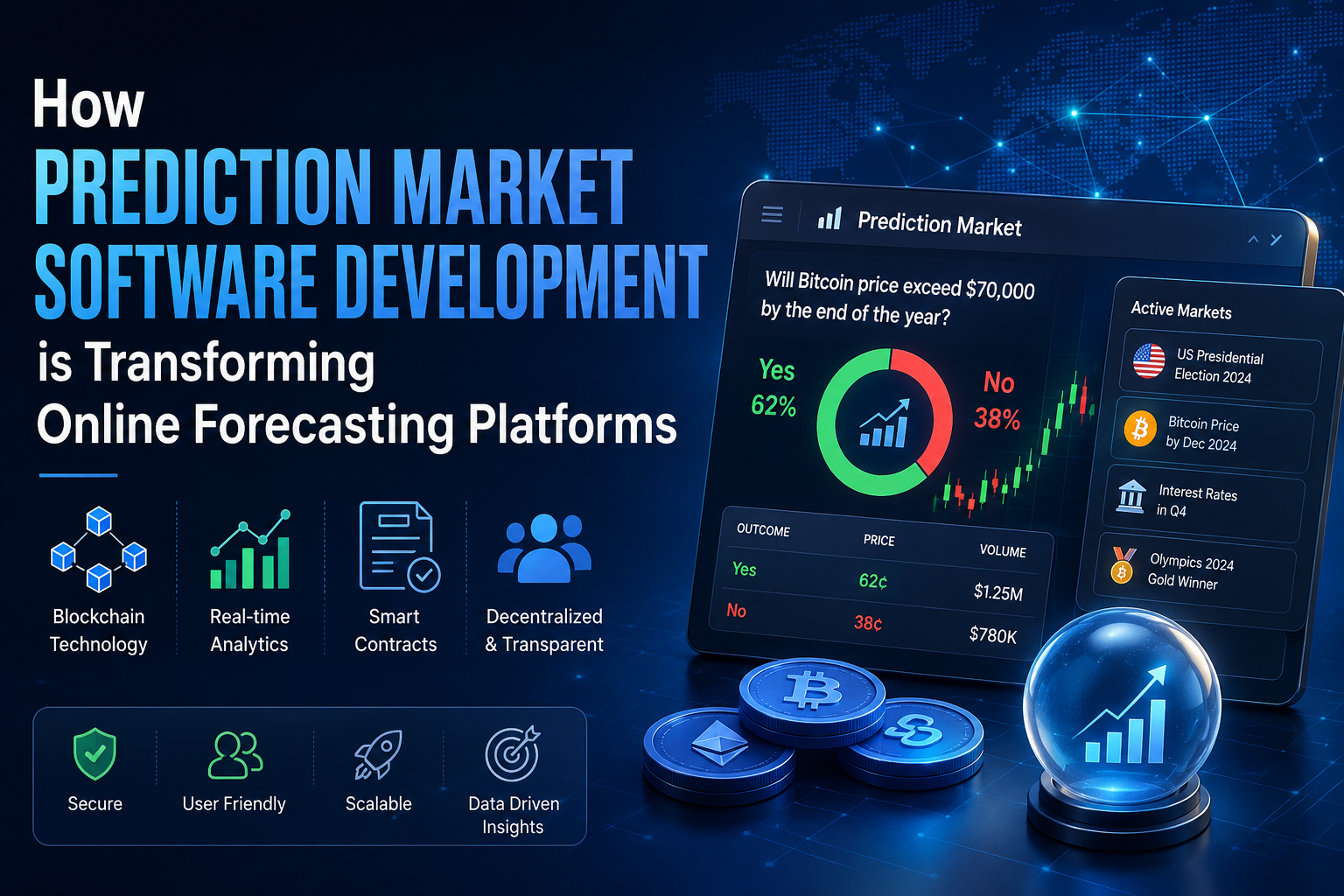
Validation for the Industry: With Kalshi’s massive valuation and Polymarket’s shift into compliance, prediction markets are no longer a fringe or speculative “crypto casino” experiment. They are morphing into a legitimate prediction-market platform that appeals to retail and institutional participants alike.
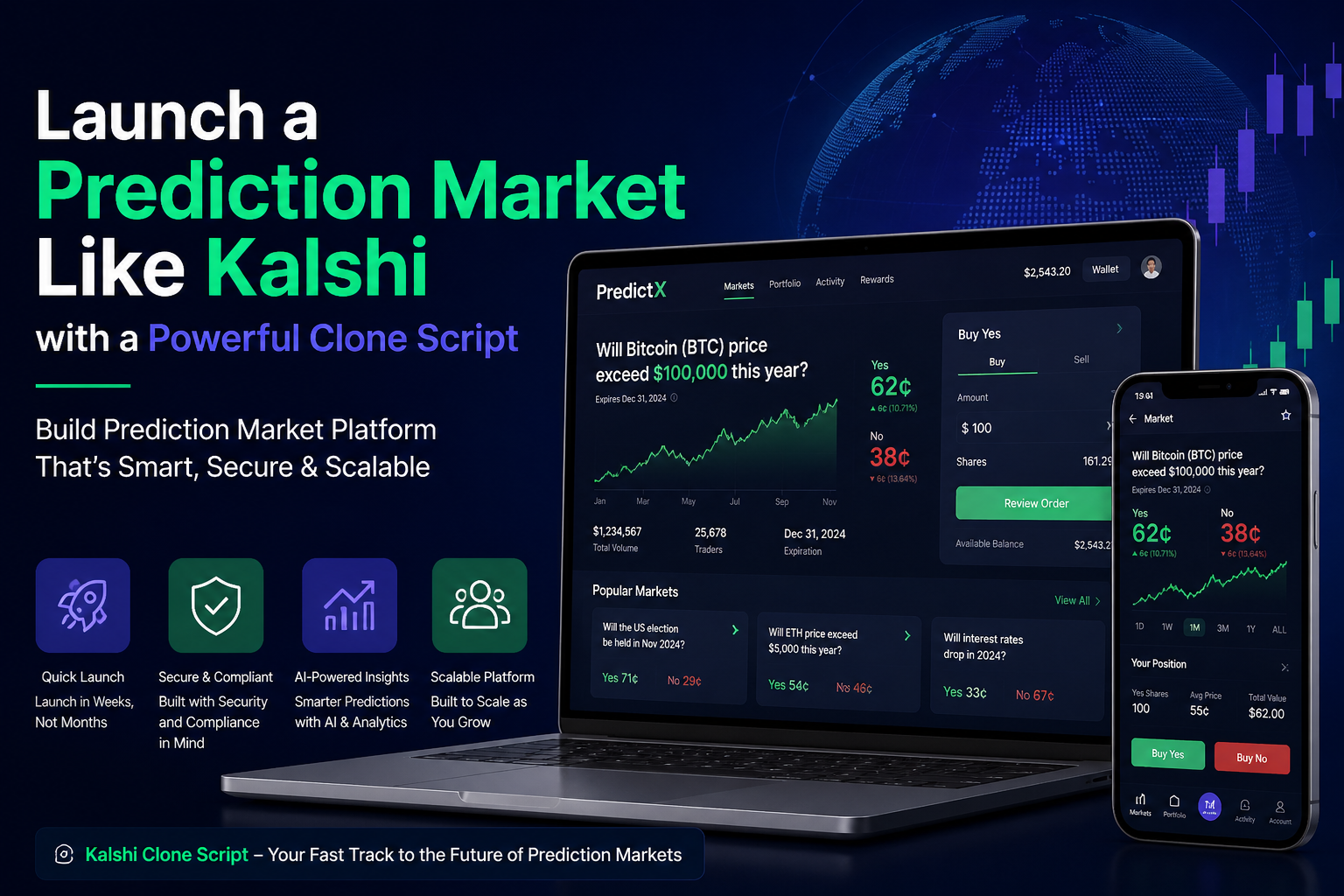
Regulatory Legitimacy: The regulated structure creates trust and opens doors for partner institutions. This matters for prospective Polymarket clone development, Kalshi clone platforms, or Probo clone development — because building a new prediction exchange now means navigating real, accepted legal frameworks.
Custom Prediction Engine Demand: As the category grows, demand for custom prediction platform solutions is increasing. Businesses, DAOs, and even sports leagues can now build their own bespoke event-contract marketplaces. Whether the aim is forecasting product launches, financial outcomes, or sports results, custom prediction software development is emerging as a sought-after service.
Mainstream Insight: Google Finance—including prediction data—means that the “wisdom of crowds” is being treated seriously as a data source. This signals to hedge funds, analysts, and quant teams that event markets are not just fun bets — they’re information-rich tools.
Challenges and Risks
Despite the momentum, not everything is smooth sailing. Regulatory scrutiny remains high. In Massachusetts, for example, the Attorney General filed a lawsuit accusing Kalshi of operating an “illegal sports wagering operation” and lacking responsible-gambling tools. Critics argue that some contracts resemble betting more than market forecasting, and regulators may not tone down oversight anytime soon.
For Polymarket and firms building Polymarket clone development, the dual challenge is real: balancing the flexibility and innovation of on-chain prediction markets with the compliance burden required for scaled, regulated operations.
Moreover, the debate around market manipulation looms large. Some users worry that high-profile insiders might influence market outcomes by publicly stating predictions (or even engineered statements), creating “information trades” that undermine fairness. Although proponents argue that such trades actually improve market accuracy by aligning incentives, the perception of risk is not trivial.
Looking Ahead: The Future for Custom Platforms
All these developments point toward a broader trend: prediction markets are maturing, and so is the ecosystem around them. Entrepreneurs and developers are increasingly eyeing opportunities to build Kalshi clone platforms or even creating Probo clone development — where “Probo” refers to bespoke prediction exchanges tailored for niche audiences or specific event categories.
Thanks to the regulatory clarity now available, custom prediction software development firms can build platforms with real potential — not just for speculation, but as institutional-grade intelligence tools. Whether integrated into financial news portals, corporate forecasting tools, or fan engagement platforms, these custom prediction platforms could become a core piece of how we process uncertainty.
Conclusion
The latest moves by Polymarket and Kalshi show that prediction markets are no longer a speculative sideshow; they are becoming a core part of modern financial infrastructure. With billions in capital flowing in, regulatory acceptance growing, and new technological integrations (like with AI and finance platforms), the prediction market platform model has proven it's here to stay.
For anyone building or investing in custom prediction platform software — whether you're exploring Kalshi clone platforms, Polymarket clone development, or Probo clone development — this is a pivotal moment. The sector has passed its tipping point: prediction markets are now mainstream, trusted, and ready for wide adoption.










Write a comment ...